Imagine this: One customer placed an order from your store. They didn’t have any issues with your checkout process, and they’re actually excited to receive their order. But after a few minutes, something had shifted that they started asking: “Did I really make the right choice?”
This right here is called “post-purchase dissonance.” It’s a common consumer behavior (especially for first-timers). If merchants can’t provide reassurance, this feeling becomes buyer’s remorse, and the customer may end up canceling their order.
In this article, we’ll talk about what post-purchase dissonance is (in more detail), its common causes, and why it matters. Plus, we’ll share some steps at the end on how you can reduce it.
What Is Post-Purchase Dissonance?
Post-purchase dissonance (or post-purchase cognitive dissonance) is a mental state in which customers experience doubt, discomfort, or internal conflict after they check out an item.
When it happens, customers start checking other options and “second-guess” their decision. Some common internal dialogue that comes up are:
- “Did I choose the right item (or brand)?”
- “What if there was a better option I missed?”
- “Was this really worth the price?”
- “Should I have waited a bit longer before buying?”
What makes post-purchase dissonance trickier is that it’s impossible to completely remove, since it’s a natural reaction to making a decision. It also goes beyond buyer’s remorse, as it reflects a broader and more complex emotional state.
Post-Purchase Dissonance vs Buyer’s Remorse
Buyer’s remorse and post-purchase dissonance are both post-purchase behaviors, and they are closely related. But there’s a slight difference in terms of “intensity.”
Buyer’s remorse is stronger and more emotional. It’s when customers feel that buying the item (or from the brand) was a mistake. Customers who feel buyer’s remorse might opt to cancel or request a refund.
Post-purchase dissonance refers to a lighter form of doubt. The customer isn’t unhappy, but they start questioning their choice or thinking about the options they didn’t go for.
Let’s say one customer bought an expensive ergonomic chair from Brand A. While waiting for delivery, they might think there’s a better deal from Brand Z or Y. That’s post-purchase dissonance.
But if that doubt keeps building to the point that they feel they made the wrong decision and want their money back, then they experience buyer’s remorse.
Common Causes of Post-Purchase Dissonance
Post-purchase dissonance may happen naturally after a decision is made, but there are some situations that can trigger it. For example, having too many options, buying high-value items, unmet expectations, or a lack of updates after checkout.
Merchants who understand these situations can take action and help improve how their customers feel about their decision.
Here are the most common causes of post-purchase dissonance:
1. Too Many Choices
More options don’t always mean a good thing for customers. It can actually result in choice overload and make decisions mentally draining.
Imagine how one customer would feel if they had to choose from 12 different shoe colors. Or maybe compare several laptop models with small differences in specs and price.
This can cause anxiety instead of the confidence customers expect after completing a purchase. When that happens, satisfaction with the chosen product may also drop.
2. High-Involvement Purchases
Post-purchase dissonance also normally happens when customers make high-value or high-risk purchases from an online store. The pressure even goes up as the item’s price gets higher.
Besides the price, expensive items are also harder to replace or send back. The “I change my mind” doesn’t work here, and brands are stricter in accepting returns. For example, some stores that sell phones may only allow seven days for return requests and only accept one reason: defective item.
Customers might have to prove that and return the item in its original packaging (with all the accessories intact).
That’s why some customers may feel post-purchase regret more when buying electronics, appliances, furniture, and jewelry.
3. Mismatch Between Expectations and Reality
Unclear product descriptions, edited or fake images, and false marketing are the culprits of unmet customer expectations.
Take a patio chair, for example. A brand can claim that it’s sturdy and made with premium materials, so it can get more buyers. But once it arrives, customers will notice that it’s cheap and light.
It won’t matter if the product “works” or “looks fine.” Lying or omitting any important detail can disappoint customers.
4. Lack of Post-Purchase Reassurance
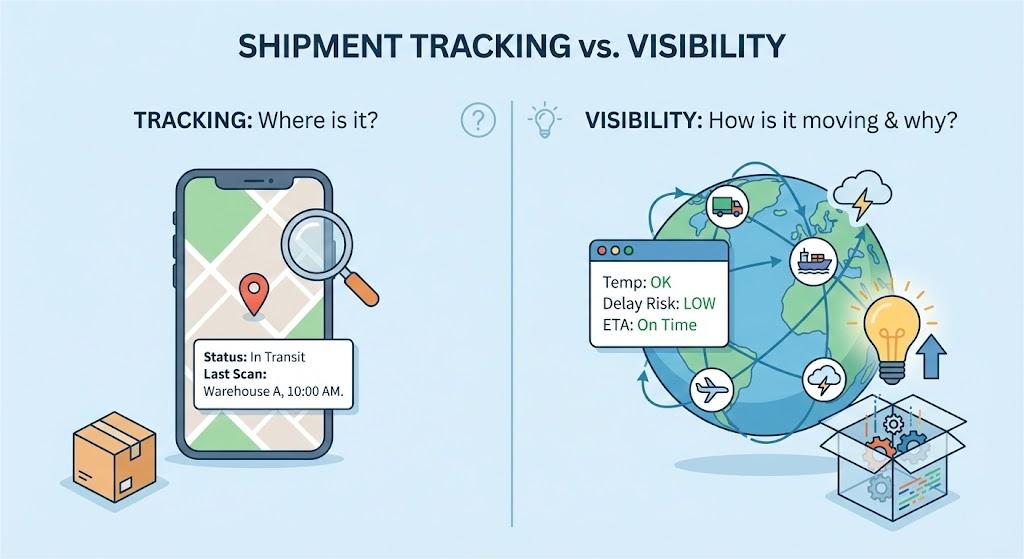
Besides product issues, losing shipment visibility after checkout also triggers post-purchase dissonance.
Customers who fail to receive confirmation emails, order and delivery updates, and a clear timeline from a brand will start overthinking. Worse, they might even consider that they’ve been scammed.
When that happens, they’ll doubt their decision and might even leave negative reviews.
Why Post-Purchase Dissonance Matters for Businesses
More Returns and Refund Requests
If the post-purchase dissonance isn’t solved, customer will probably second-guess and look for a way out of their purchase.
Often, that means requesting a return or refund. As these requests increase, businesses lose revenue and face higher reverse logistics (as well as customer support costs).
Lower Customer Satisfaction and Trust
Post-purchase dissonance doesn’t stay in the customer’s head. It reflects on how they’ll view their entire purchase.
Sometimes, even when the product meets expectations, customers may not feel satisfied with the overall post-purchase experience. Once doubt appears, customers remember that feeling and the brand can lose their trust. It may take a long time to rebuild that.
Reduced Loyalty and Repeat Purchases
Did you know post-purchase dissonance can lower customer loyalty and reduce repeat purchases?
Post-purchase dissonance affects future purchases as much as the current one. It may not always show as a returned item or a canceled order. Some customers keep the item but quietly decide they won’t buy from you again.
Plus, it extends to how they talk about your brand. Not only will they skip leaving reviews, but they might discourage other people from buying from you.
How to Reduce Post-Purchase Dissonance
Ecommerce merchants who want to prevent post-purchase dissonance have to focus on the whole customer journey. Not only the delivery process, but also even before the purchase happens.
They can start by providing clear expectations, sending updates, and giving customers visibility over their orders.
With these steps in place, they can build a more positive customer experience and ease their customers’ doubts.
Set Clear Expectations Before the Purchase
Setting clear expectations before the purchase is one of the best ways to minimize post-purchase dissonance.
The problem often starts when product pages either “overstate” what the product can do or leave out important details. You have to present it as honestly as possible.
Real-life visuals, short demo videos, and reviews that show how the product actually looks and performs can help you on this. Clear delivery timelines and return policies also give customers a better sense of what to expect after placing the order.
Reassure Customers Right After Checkout
Reassuring your customers after checkout can affect how they feel about their purchase.
That’s one thing you can work on in your post-purchase communication. Thank-you pages and confirmation emails that contain what customers will receive and helpful tips on getting started can ease their nerves.
Let’s say one customer bought a camera lens. In the confirmation page, you can insert main features, compatible devices, and positive reviews from other buyers. Plus, adding simple tips on how to achieve optimized shots will also bring confidence to the purchase they just made.
Yes, they feel like small actions, but they calm the “post-purchase thoughts” of customers.
Use Order Tracking to Reduce Post-Purchase Uncertainty
Order tracking provides the shipment visibility that customers need after checkout. That allows customers to have something to hold on to while waiting and helps reduce post-purchase dissonance.
One way is to send automated notifications at key stages (such as order confirmation, shipment, out for delivery, and delivered). It’s the best in showing customers that their package is moving forward as expected.
Setting up a branded tracking page can also be a good move. From here, customers can check the latest order status and shipment location anytime they want. Visibility like this removes customers’ uncertainty and lowers “where is my order?” inquiries.
Use Social Proof to Reduce Post-Purchase Dissonance
Social proof is great for showing existing customers’ good experience with a brand’s product.
For example, after placing a camera order, one customer might see a detailed YouTube review from a content creator they admire in the confirmation email. If not a video, then high-quality photos that show the results and the performance in daily use.
So, make sure that this content type appears in important touchpoints like tracking pages, confirmation emails, or customer portals.
Make Returns Easy to Reduce Buyer Doubt
It sounds counterintuitive, but having an easy return process can give customers the confidence to continue a purchase.
It all starts with a return policy that is easy to find and understand. Customers should also be able to access return options without going through hoops. Things like order lookup tools, account pages, or self-service flows make that a lot easier.
So, even if a return happens, the direct and smooth process will leave a positive impression on customers and make future purchases possible.
Final Thoughts
Post-purchase dissonance often shows up quietly. Customers may complete their order, receive the item, and never contact support. But how they felt while waiting can still affect how they see your brand.
Reducing it comes down to how you handle the experience. Clear product information, timely updates, reassuring messages, and easy access to returns all help customers feel more certain about their decision.
For ecommerce businesses, these steps can protect revenue and customer relationships. Customers will hesitate less and come back more often if expectations are clear before the purchase and met once the order arrives.
FAQs About Post-Purchase Dissonance
Post-purchase dissonance is a “psychological response” where customers feel doubt or discomfort after checking out an order. Customers start questioning their decision, like whether they buy the right item or from the right brand, and if the product will actually be delivered as they expected.
One great example is when a customer buys an expensive item (say a flagship phone) and later thinks if it was really money well spent. Questioning the product’s performance while waiting for it is another common example. And some customers also experience post-purchase dissonance when they think of the item they didn’t go for.
Customers often experience post-purchase dissonance when there are too many options, they are buying an expensive item, or they don’t have enough information about the product. They can also feel it when there’s a difference between what they expect and what they receive.
Businesses can lower post-purchase dissonance through the following: setting clear expectations before purchase, reassuring customers right after checkout, providing order tracking and updates, using social proof, and giving customers easy access to returns.
Easton has 3 years of experience researching and writing about e-commerce and logistics. She enjoys sharing the latest industry trends and insights with readers.