For any ecommerce merchant, an “Attempted Delivery” status is an immediate headache.
When a delivery fails, it sets off a chain reaction of costly problems, including a spike in “Where is my order?” support tickets and the expensive risk of the package being returned.
On top of that, frustrated customers are less likely to shop with you again.
In this article, we’ll explain why attempted delivery happens, and how both you and your customers can handle it better.
What Does Attempted Delivery Mean?
Attempted delivery simply means the courier shows up at the destination but fails to hand over the package to the rightful recipient.
It usually looks like this: The delivery driver/ personnel arrive at the address with the package. But the recipient isn’t available, or the courier faces a situation that stops them physically from completing the delivery.
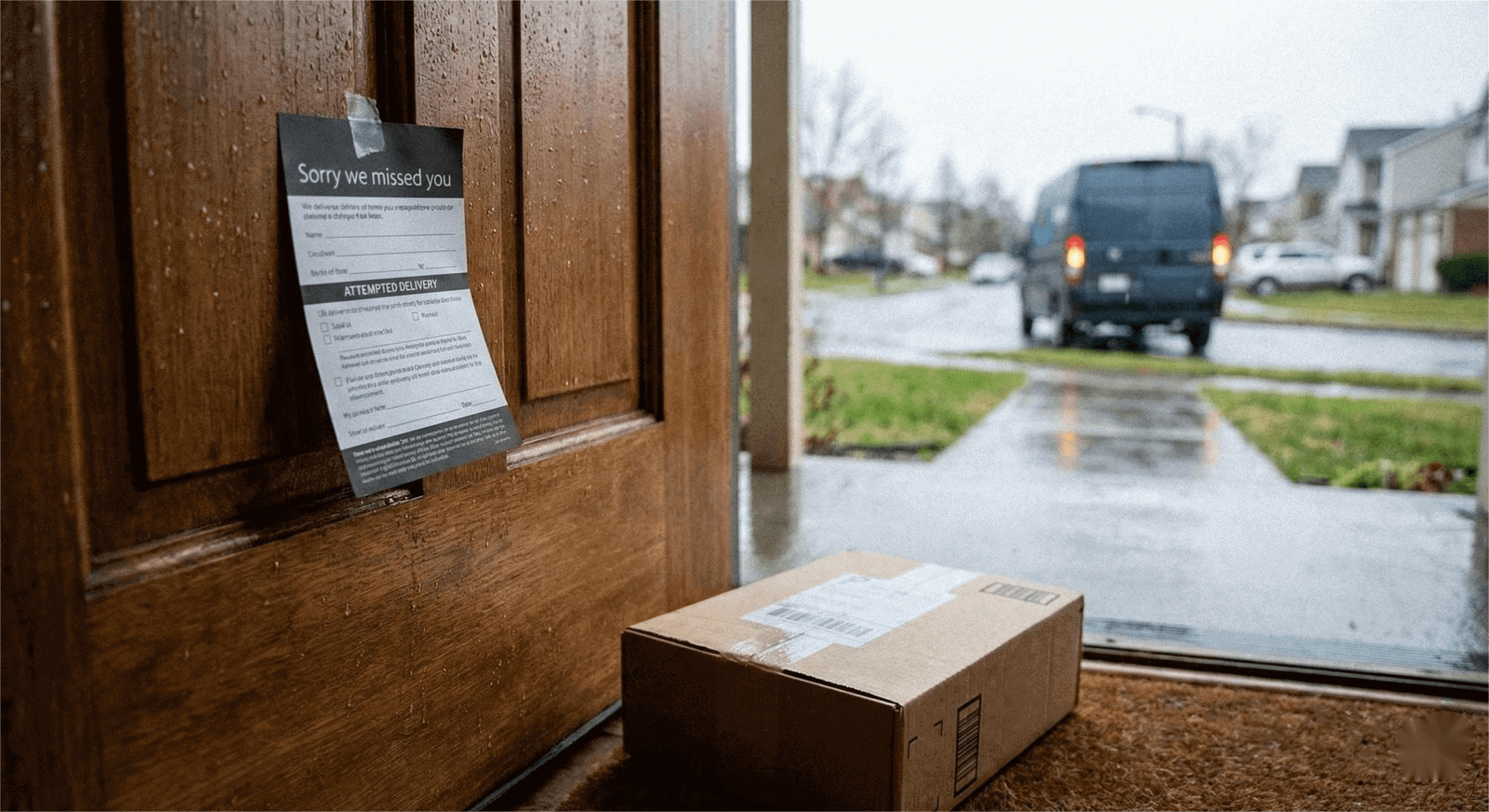
Most couriers will leave an attempted delivery notice providing a phone number to let the recipient know what happened and arrange an additional delivery attempt, or instructions to pick up the package at the local post office.
After a failed delivery attempt, the package is held at a local center awaiting the next step. If no action is taken, it may be returned to the sender after a few days or incur additional fees for redelivery, depending on the carrier’s policy.
Attempted Delivery vs. Failed Delivery vs. Delivery Exceptions
When a package is out for delivery, you may see several statuses: attempted delivery, failed delivery, and delivery exceptions. While they all indicate the package wasn’t delivered successfully, each means something different.
Attempted delivery is when the courier tried to deliver the package but couldn’t complete it. This status focuses on the action taken.
Failed delivery is when the package wasn’t delivered at all and now needs follow-up, such as rescheduling, pickup, or return. This one’s about the outcome.
Delivery exception means an unexpected issue prevents delivery, like severe weather, incorrect addresses, etc.
Reasons for a Failed Delivery Attempt
Most delivery failures happen because of address problems, nobody being home, or the shipping company’s courier can’t physically get to your door. Here’s what usually goes wrong:
- Incorrect or Incomplete Address: The address provided may be missing critical details like apartment numbers, floor levels, or postal codes.
- Recipient Not Home: If no one is available to receive the package or provide a signature (when required), the courier can’t complete the delivery.
- Physical Access Issues: Locked gates without access codes, dogs in the yard, and cars blocking the driveway can prevent the courier from reaching your door.
- Other Factors: Occasionally, weather events, traffic disruptions, or customs issues can also cause failed delivery attempts.
The Importance of the First Delivery Attempt
Getting packages delivered right the first time matters more than most merchants realize.
First Attempt Delivery Rate (FADR) is a logistics KPI that measures the percentage of shipments reaching customers on the initial try, without needing multiple attempts. This metric directly affects both customer satisfaction and your costs.
Failed deliveries hurt repeat business in a big way. Ipsos and Octopia’s research shows that 85% of online shoppers won’t order from a retailer again after one bad delivery experience.

When deliveries fail, customers get frustrated. They may feel annoyed, stressed, or uncertain whether they can rely on your store for future orders. Over time, this frustration can reduce the likelihood that they’ll make repeat purchases.
The financial hit is significant, too. According to Statista’s last-mile delivery report, last-mile delivery can cost $10–$50 per package, but each failed delivery adds an extra $17.20 on average.
The cost rises because drivers must spend extra time and fuel making a second delivery attempt. Companies also lose money processing the package back at the warehouse and answering customer support calls about the delay.
How Businesses Can Improve Delivery Management to Reduce Delivery Failures
You can’t control every variable in shipping, but you can reduce failed deliveries by: using delivery management software, sending automated notifications, and providing flexible options to your customers.
Let’s discuss them each:
Use Delivery Management Software
Delivery management software handles route optimization using real-time traffic data, so your drivers aren’t stuck in congestion that delays the whole schedule. It also organizes delivery sequences based on location and priority, which means less time driving between stops and more successful first delivery attempts.
The software centralizes communication, too. Your team, carriers, and customers all see the same information about delivery status, which cuts down on the mix-ups that lead to missed deliveries.
Send Automated Shipping Notifications
Automated notifications do more than just tell customers a package is coming.
Start by sending a message the day before delivery with the delivery window and any access details the driver needs, like gate codes or building entry instructions. This gives the intended recipient time to plan ahead and confirm the details for a successful delivery.
Then, send another notification when the package goes out for delivery. This real-time alert increases the chances that someone is available to receive the package. For updates that need to reach customers quickly, it’s best to send them via SMS, which is opened far more often than email.
Offer Flexible Delivery Options
Not everyone can wait at home between 9 AM and 5 PM. Let customers pick delivery windows that work with their schedules. This simple change reduces redelivery attempts because packages arrive when recipients are actually available.
Alternative pickup locations help, too. Partner with nearby lockers, convenience stores, or local pickup points where customers can grab packages on their own time. Some carriers also let customers redirect deliveries to a neighbor’s address if they won’t be home.
In cases where the package isn’t handed directly to the recipient, encourage the courier to take a photo. This provides both your business and your customer with proof of delivery and helps prevent disputes.
What Should Recipients Do After Delivery Is Attempted
Receiving an attempted delivery notice can be frustrating, but taking the right steps quickly can help ensure your package reaches you without delays. Here’s how recipients can handle it effectively:
1. Check the Delivery Notice
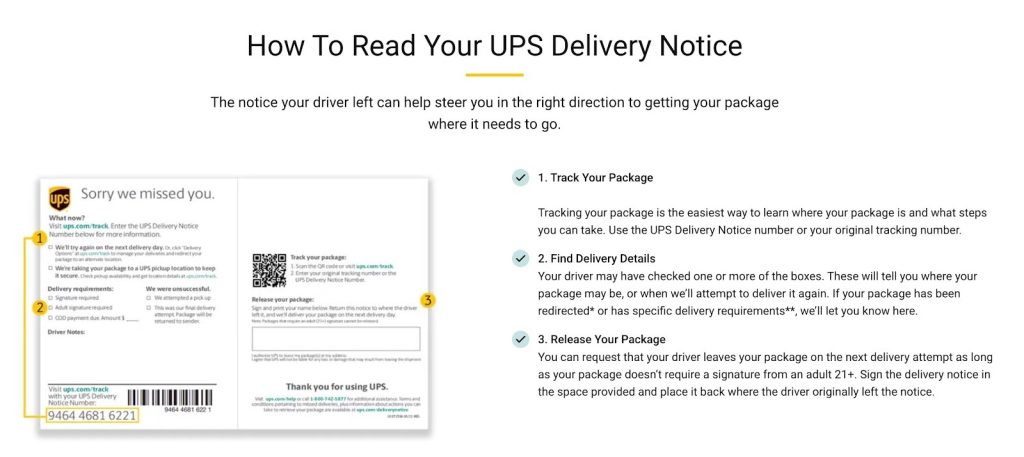
Take UPS as an example. If you miss a delivery attempt, UPS will leave a delivery notice at your doorstep. The notice explains why the delivery failed, when they will attempt it again, and where your package might be.
You can also use the notice number to track your package’s status and current location.
If you don’t receive a notice, your original UPS tracking number works just as well. Some couriers may even call you to explain the situation and confirm the next delivery date.
2. Sign Up for Alerts
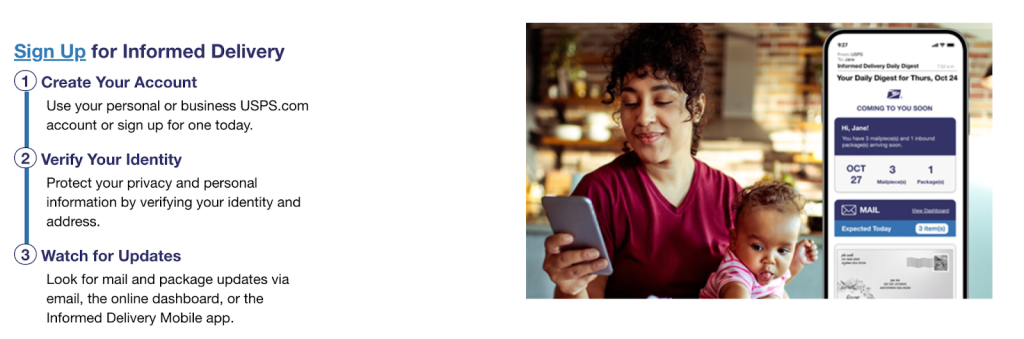
Then, sign up for SMS or email notifications so you’ll receive the real-time status of your package.
Many carriers, like USPS, offer shipping notification services such as Informed Delivery. This service lets you view incoming packages on an online dashboard and receive updates via email or the mobile app.
3. Schedule Redelivery/Pickup
Once you know your package’s latest status, take action to get it as soon as possible.
If it’s being held at a nearby hub, you can reschedule the delivery for a day that works for you. Where allowed, you can also authorize the courier to leave the package without a signature, or choose to pick it up at a nearby post office, locker, or other access point.
Conclusion
Attempted deliveries can increase extra costs and harm customer relationships when packages fail to reach them on schedule.
TrackingMore makes this easier. Your customers can receive shipping notifications of their packages from order to delivery. We can help you create a tracking page on your site so your customers can quickly check a package’s status using the tracking number or order number.
If needed, you can also get internal alerts for attempted deliveries. This helps you prevent packages from being delayed, lost, or having the carrier charge extra fees.
Ready to reduce delivery failures? Start your 14-day free trial with TrackingMore.
FAQs about Attempted Delivery
The package usually stays on the delivery truck for another attempt the next business day, or it goes to a local carrier facility near your customer’s address. Most carriers hold packages at these facilities for about 7 to 18 days before sending them back to the sender.
It depends on the carrier. UPS makes up to three delivery attempts or redirects packages to nearby access points. The recipient has about seven calendar days to pick it up before it gets sent back to the sender.
USPS lets recipients schedule a free redelivery online using the tracking number of the package or the barcode from the delivery notice they received. You can pick a date up until the package’s return deadline (which is printed on the notice).
Amazon’s “delivery attempted” status means their courier got to the delivery address but couldn’t complete the drop-off. It can be because no one’s available to sign for the package, the driver can’t find a safe spot to leave it, or there’s an issue with the address details.
The TrackingMore team shares insights on logistics tracking technology, industry trends, and e-commerce logistics solutions to help businesses streamline shipment tracking and enhance customer post-purchase experience.