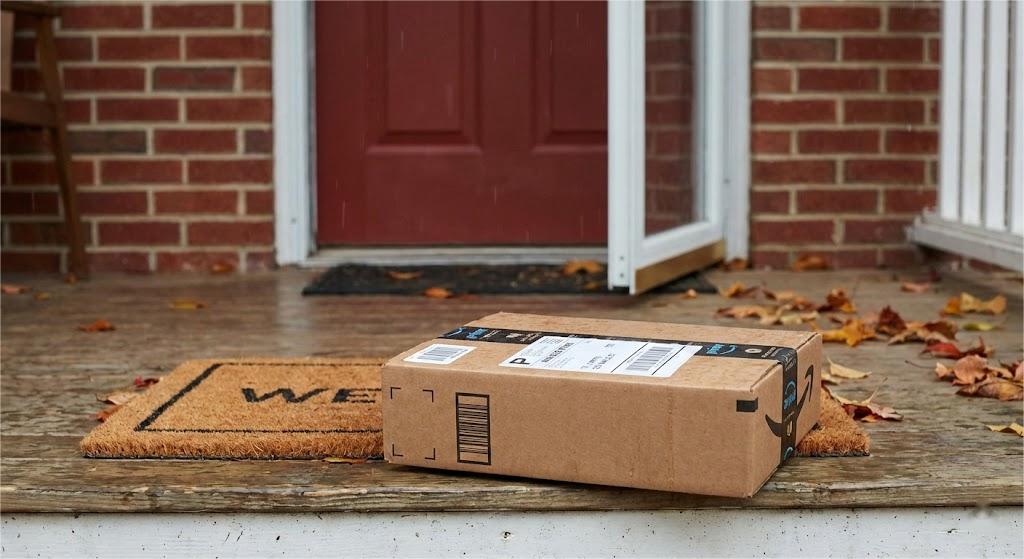
Based on Security.org’s report, 64 million people in the US (about 1 in 4 Americans) have had their packages stolen. Of that number, 9 million experienced package theft in the three months leading up to the report’s publication.
Ecommerce merchants suffer a lot because of this. Lost packages bring in refund requests or replacement and reshipping costs. Support tickets also increase since customers can’t find their package.
Package theft isn’t stopping anytime soon. So, in this article, we’ll share seven ways on how merchants can help prevent theft. We’ll also cover what people can do if they become victims of porch pirates (aka package thieves).
Why Package Theft Happens After Delivery
Package theft happens during that window where items are left unattended. It usually comes down to these common delivery factors: how packages are dropped off and how updates are shared.
- No signature required: Most carriers charge extra for signature confirmation (since it’s not included by default). For standard or lower-value shipments, merchants often keep it disabled to avoid added fees and maintain delivery convenience.
- Uncertain delivery windows: Customers need a clear idea of when their package will arrive. If merchants use “3–5 days” as the only estimate, they might not be at home and miss the delivery period.
- Lack of visibility: When merchants don’t provide timely delivery updates or clear drop-off details, customers may not realize that their package has arrived or know where to find it.
In short, these delivery gaps leave packages unattended and create the perfect opportunity for theft.
In the next section, we’ll walk through practical ways to prevent package theft by improving delivery timing, visibility, and communication.
How to Prevent Package Theft in 7 Practical Ways
Here are seven practical ways to prevent package theft:
1. Enable Real-Time Delivery Tracking
Real-time tracking helps you catch “red flags” and anomalies early by showing live delivery status and location updates.
Let’s say that a package gets dropped off in a risky spot like the front door. You can notify your customer of the exact location of their order. If the delivery time seems off, you can check the status, spot delays, and step in before the package becomes untraceable.
Also, offering real-time visibility (especially during high-theft seasons) can reduce their anxiety and build their trust.
2. Send Delivery Notifications at Key Milestones
Delivery notifications work best when they are sent at the right moment. Updates when the item was shipped, on its way, or already delivered help customers have a clearer sense of its arrival time.
For example, an “out-for-delivery” message tells customers their package will arrive that day. So, they can stay and wait for it, or maybe ask someone to do that on their behalf. “Delivered” notification confirms where the delivery person dropped the package, so customers can retrieve it on the dot.
Since notifications alert customers to the timing and exact drop-off location, they can protect their “unattended packages” from porch theft.
3. Use an Order Status Tracking Page
An order status tracking page gives customers one reliable place to check their delivery details themselves. They don’t have to wait for an email reply or call support.
Compared to inbox or SMS updates (that can get buried by other messages), a branded tracking page is available 24/7.
Customers can open it anytime to view the latest status, timestamps, and proof of delivery using their tracking number. If something doesn’t look right, they can verify the details and contact the business, which is better than simply expecting the worst.
That access clears up a lot of post-delivery confusion. When an order shows as delivered but isn’t immediately in sight, customers can review drop-off notes or location details before jumping to conclusions about stolen items. In many cases, the issue is sorted out in minutes rather than turning into a theft claim.
For you as a merchant, a branded tracking page brings carrier updates into one place and presents them consistently and professionally.
4. Offer Delivery Time Windows
Delivery time windows can lower the risk of package theft by making arrival times less of a guessing game. Since customers will have an idea when their order will show up, they can make themselves available to receive it (or secure it) shortly.
Merchants can support this by offering delivery time options at checkout. Or, use carrier services that allow “scheduled delivery” for higher-risk orders like gadgets and high-value items. Clear delivery windows give customers confidence and allow merchants to deliver a more reliable post-purchase experience.
5. Encourage Safe Delivery Locations
Safe delivery locations reduce theft by limiting how long packages are left exposed. When the drop-off point is more controlled, there is simply less opportunity for someone else to take the package.
- Lockers or pickup points: Using package lockers or carrier pickup locations keeps packages out of sight instead of leaving them at a door. Access is limited to authorized individuals, which removes the most common theft scenario: a box sitting in plain view.
- Concierge desks or mailrooms: In buildings with staffed mailrooms or concierge desks, packages are handed to a person rather than left unattended. Deliveries move into indoor and managed spaces.
- Backdoor or hidden-location delivery: For houses, allowing customers to choose a less visible drop-off spot helps reduce attention from passersby. Packages placed away from the street are harder to spot and less likely to be taken.
6. Collaborate with Carriers on Secure Delivery Options
Many major carriers already offer built-in options that help merchants control how and where packages are delivered. Knowing which partners support signature requirements and designated drop-off points makes it easier to apply these safeguards when needed.
Here are some well-known delivery companies that already offer signature services and secure drop-off options merchants can use to better control how packages are delivered:
| Carrier | Signature Requirements | Designated Drop-off Points |
| FedEx | Direct Signature Required, Adult Signature Required | FedEx locations and authorized pickup points |
| UPS | Signature Required, Adult Signature Required, Restricted Delivery | UPS Access Point locations, UPS Stores, and customer centers |
| DHL | Direct Signature, Adult Signature Required | DHL service points and authorized locations |
| USPS | Signature Confirmation™, Adult Signature, Registered Mail® | Post Office locations and approved collection points |
| Royal Mail | Signature on Delivery, Special Delivery Guaranteed | Post Offices and nominated Safeplace locations |
7. Systematize Package Security with Shipment Tracking Software
Shipment tracking software centralizes carrier data from all shipments in one platform, so merchants no longer have to check multiple systems or manually track each delivery. This visibility allows them to spot delays, misdeliveries, or unusual patterns across different carriers and take action before small issues become bigger problems.
By automating these updates, merchants can standardize post-purchase workflows and reduce the risk of errors or information gaps.
Customers benefit from this consistency as well. They can track their packages with confidence, know when something is off, and experience a smooth post-purchase journey that strengthens trust in the brand.
What to Do If Your Package Is Stolen
Even with preventive measures in place, sometimes packages still go missing. If a package appears to be stolen, shoppers should take the following steps in order:
1. Check the tracking details
Confirm the delivery status, timestamp, and any delivery notes or photo proof. This helps verify whether the package was marked as delivered and where it was left.
2. Contact the merchant
Reach out to the store with the order number and tracking information. Merchants usually need to confirm the situation before starting a replacement, refund, or claim process.
3. Report the issue to the carrier
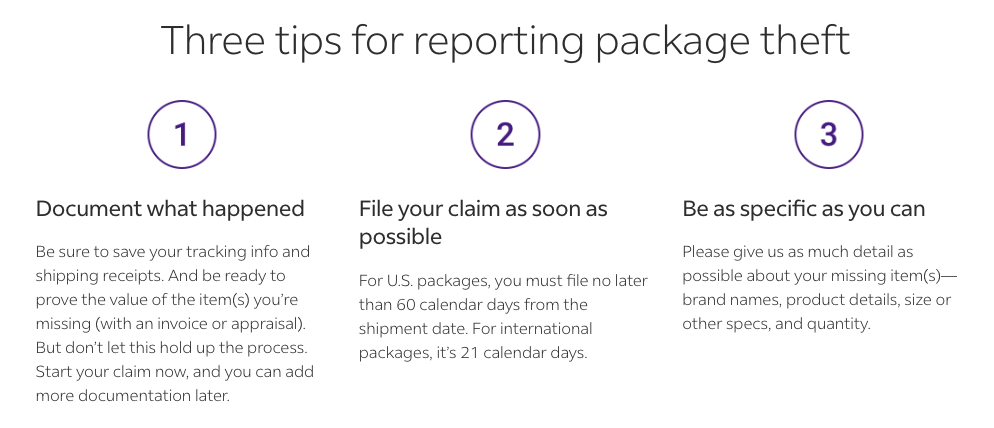
Once the merchant has been notified and confirmed the situation, contact the shipping carrier, responsible for the delivery service, to file a claim. For example, FedEx recommends documenting what happened, filing a claim as soon as possible, and providing specific details about the missing items. Claims must be submitted within the carrier’s stated time limits.
4. Track and Confirm Resolution
Keep track of any updates, respond promptly if additional information is requested, and confirm the resolution (whether it’s a refund, replacement, or other outcome). This ensures the process is fully completed and avoids lingering confusion.
Conclusion
As long as online shopping is popular, porch piracy is unlikely to disappear completely. There will always be some level of risk. What does make a real difference is using the right tools and processes to monitor deliveries, provide timely updates, and guide customers when issues arise.
By standardizing post-purchase workflows and ensuring customers have visibility into their deliveries, merchants not only protect packages but also enhance the overall customer experience.
TrackingMore is a platform that helps merchants take control of the post-purchase stage. It centralizes real-time tracking across multiple carriers, provides branded tracking pages, and automates delivery notifications.
Get started with TrackingMore for free >
FAQs
Porch pirates are people who steal packages after they’ve been delivered and left unattended. They usually take boxes from front doors, porches, or shared mail areas, often acting quickly and opportunistically when no one is around.
If you live in an apartment, try redirecting the package deliveries to lockers, carrier pickup points, or a secure package room. Turn on delivery alerts, so you know when something arrives, and ask a neighbor, concierge, or property manager to hold packages when you’re not home.
Yes, it usually is. Many retailers or insurers ask for a report before approving a refund or replacement. Reporting also helps local authorities see where theft is happening more often, even if the package itself is not recovered.
Based on SafeWise’s 2025 data, package theft is most common in large metro areas. Chicago ranked first, followed by New York City and Miami. Houston and Baltimore rounded out the top five. You can click here to view more.
It depends on where you live. In some states, package theft is classified as a felony, especially for repeat offenses or higher-value items. Theft involving U.S. mail is always a federal crime, regardless of the package value.
Easton has 3 years of experience researching and writing about e-commerce and logistics. She enjoys sharing the latest industry trends and insights with readers.