What happens on Black Friday and Cyber Monday (BFCM) can affect your whole year. In 2024, shoppers spent $41.1 billion online during the five-day period from Thanksgiving up to Cyber Monday,… and the numbers are expected to get even bigger this year!
But here’s the problem: more sales also mean more shipments, customer questions, and way more stress on your logistics operations.
If your order tracking system crashes, your notifications fail, or your customers can’t find their orders, all your possible sales turn into refund requests, customer dissatisfaction, and negative reviews. We’ve seen it happen to ecommerce brands that couldn’t prepare enough.
This guide walks you through everything to get your BFCM logistics right in 2025. You’ll learn how to prepare your shipping operations, manage carrier capacity, and keep customers updated with real-time tracking.
The 3 Common BFCM Logistics Disasters (And How to Avoid Them)
Talking Logistics’ report on ecommerce logistics found that the top four U.S. carriers saw transit times slow by 9% to 37% during Black Friday and Cyber Monday. When even the largest networks face that kind of strain, smaller brands need to be ready for supply chain challenges of their own.
Here are three of the common BFCM logistics disasters that can affect your operations and how to avoid them.
Disaster #1: Carrier Capacity Crush
Relying on one shipping carrier during BFCM puts your entire operation at risk. If you only work with one carrier and they reach capacity during Black Friday weekend, you’re stuck.
The best move is to line up multiple carrier partnerships now (before the BFCM chaos begins). Get at least three different shipping partners on board and check what their capacity limits look like for the volume you’re expecting.
Once you have them lined up, divide your orders among carriers based on what each one handles best. Carrier A might work well for expedited shipping under 5 pounds, so those orders go there. For standard shipping on packages over 10 pounds, Carrier B could be the stronger choice.
When one carrier stops taking pickups, you’ll have backup partners ready to handle those orders so you can still meet your delivery deadlines.
Disaster #2: WISMO Tickets Flooding Your Support Team
Gorgias customer support data shows that support tickets go up about 20% during BFCM.
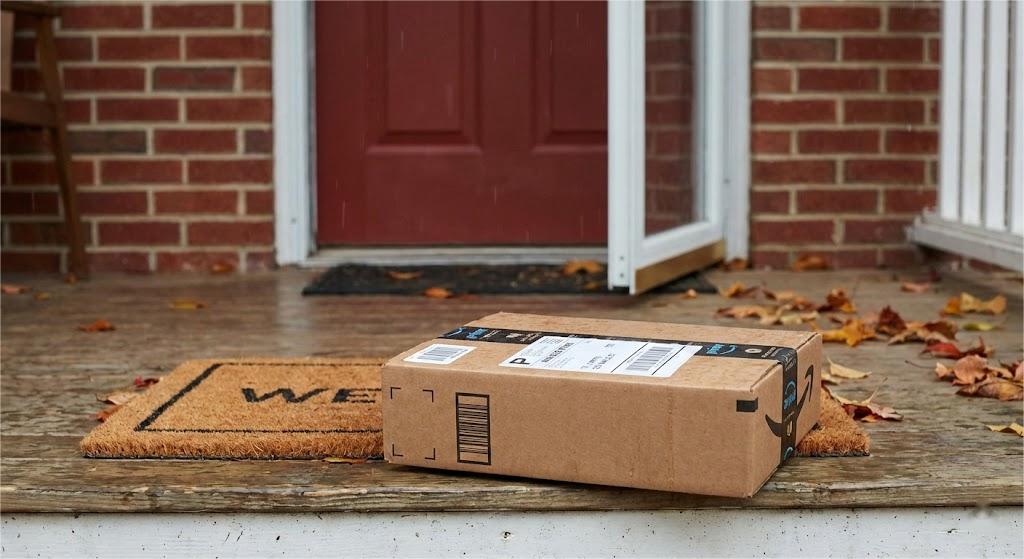
Most of those are WISMO (Where Is My Order) queries that your customer service team has to handle. Of course, each of your customers wants to know where their packages are, whether they left the warehouse, and the exact delivery status.
Set up proactive communication to meet customer expectations and avoid tickets from draining your team. Automated shipping confirmations should go out the moment orders are in transit,… with a tracking number and estimated delivery date included.
Delays during BFCM are pretty much guaranteed. Get ahead of them by updating customers before they reach out. Send a quick message like: “Hi [customer name], your order is running a day late due to carrier congestion. It’s on the way and should arrive by [new date].”
Disaster #3: Returns Tsunami
ZigZag Global found that returns went up 60% during Black Friday 2022… compared to 2021. There’s a chance that your sales will increase during this shopping event, but you also have to prepare for returned items in January.
Without a system to handle this volume, returned products sit unsorted, your team can’t identify what’s sellable versus damaged, and refunds take forever to process. Some customers who waited weeks for refunds or undelivered items may also start filing credit card disputes.
We suggest using a return management platform and combining it with a clear return policy that covers timelines and conditions.
Your Ready-to-Use BFCM Logistics Action Plan
Getting through BFCM without major issues comes down to how well you plan before the sale, perform during the rush, and recover after. Here’s what you have to focus on in each phase:
- Pre-BFCM: You need accurate demand forecasting, organized inventory, and fulfillment operations ready to go before the first order drops.
- During BFCM: Your focus changes to processing orders efficiently, managing carriers, and updating your customers consistently with real-time tracking.
- Post-BFCM: Look at how you manage returns, review your performance, and use the data to prepare for next year.
We’ll go through each one in detail below.
Phase 1: Pre-BFCM Preparation
1. Master Your BFCM Demand Forecasting
Most brands either run out of bestsellers too early or end up with excess inventory they can’t sell. You can avoid this by reviewing your historical sales data from previous Black Fridays so you can predict future demands more accurately.
Find out which of your products sold the fastest and when your traffic peaked. For most stores, order volumes during the BFCM weekend are 2 to 4 times higher than normal. So, you have to prepare for that.
Now think about what’s different this year. Maybe you’re running bigger ads… or you’ve added new product lines. Either way, those changes can push your numbers up.
Create a few different demand scenarios (think of both best and worst cases) and plan your inventory and supply chain somewhere in between. That way, you have enough “buffer” to handle the pressure if orders surge during the holiday season.
2. Optimize Your Inventory Strategy
Once you have your forecast, you need to figure out your stock levels. An ABC inventory analysis is a good place to start. It groups your products based on how much revenue they bring in.
Your “A” items are the top earners; you have to give them the most attention. “B” items sell regularly but at a slower pace, and the “C” products are the least bought items in your store. This tells you what to reorder first and what you can keep on hand in smaller amounts (for better inventory management).
We also suggest you prepare a safety stock buffer. You can compute that with this formula:
(Maximum Daily Sales x Maximum Lead Time) – (Average Daily Sales x Average Lead Time)
For BFCM specifically, take whatever safety stock you normally keep and bump it up by 1.5 to 2 times to handle increased consumer demand during peak periods. It will serve as an “extra cushion” to prevent stockouts.
3. Prepare Your Fulfillment Operations
Your warehouse and fulfillment process need to be ready before BFCM hits.
- Check your layout: Can your team easily grab high-demand items? Are the packing areas clear? If your bestsellers are sitting on back shelves, move them up front near the packing stations. Your team can’t waste time walking across the building for every order.
- Hire seasonal workers at least two weeks before Black Friday: Train them while things are still calm, so they can learn your warehouse layout and how to pack orders well before the orders go up.
- Run stress tests before the rush: Process mock orders at three times your normal volume. Watch for slowdowns and fix them now before real orders start coming in.
Phase 2: BFCM Weekend Execution
1. Streamline Order Processing
You’ve done the planning and forecasting. Now your system needs to actually work. Orders during BFCM come in way faster than normal, so your team needs to move as one unit.
Figure out your priorities. Are you shipping express orders first? Do you want to prioritize loyal customers… or go by higher cart value? Once everyone in your team knows the system, they can stay coordinated even when orders go up from hundreds to thousands.
Automation is something you can’t skip here. Your fulfillment team can’t keep up without it. Set up automatic rules that sort orders by shipping speed or region, print labels in batches, and sync tracking updates to your system. This is the best way to cut out repetitive tasks that slow down your processing capacity.
2. Manage Carriers and Shipping Proactively
BFCM (and other high-demand periods) put serious pressure on your shipping partners. They’re managing thousands of orders all at once… and that strains their delivery networks. You’ll see it in slower pickups, higher shipping costs, tracking updates that lag, and inconsistent delivery performance.
It’s important to monitor how each carrier performs in a day. For example, you have to know:
- Pickup completion rates
- Scan accuracy for each route
- Delivery turnaround times
Spot a problem? Act on it fast. If one carrier is falling behind, start sending new orders to a different partner before those delays pile up and get worse.
You also need to set up exception alerts so you flag delayed or stuck shipments as they happen. When an alert goes off, your operations team can call the carrier, fix the problem, and redirect future pickups if necessary. Catching issues early stops them from turning into uncontrolled customer complaints.
3. Deliver Transparent Order Tracking
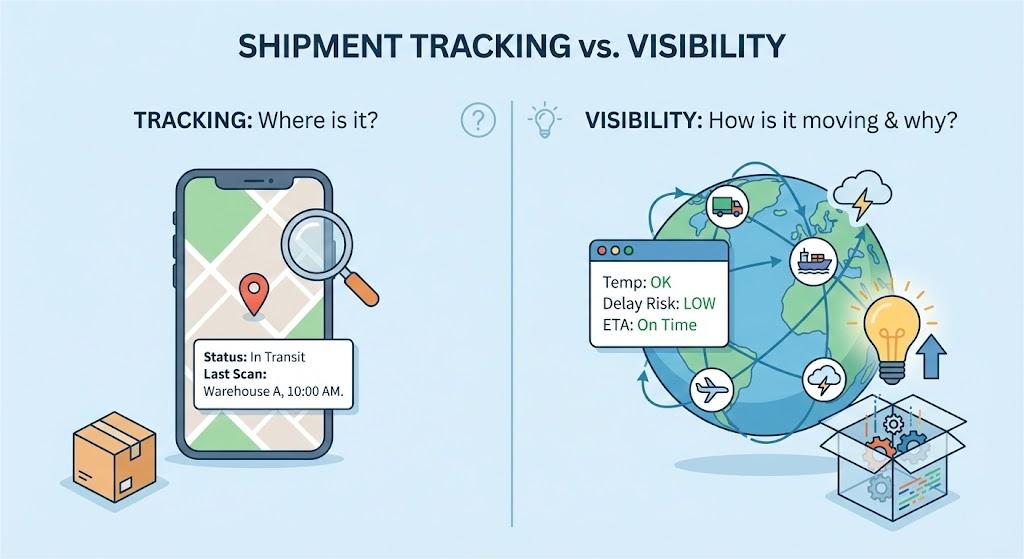
A shipment tracking software is a must-have for ecommerce businesses managing BFCM order volume. It lets you monitor all shipments in real time to catch delays early and keep customers informed throughout the delivery process.
One of its biggest benefits is automated notifications. The software pushes out real-time updates through email or SMS… things like “Your order just shipped!” or “Your package arrives tomorrow”, so your customers get the info they need (without having to call or message your customer support).
Branded tracking pages are also worth having. You can direct your customers to a custom page where they can track their order status. That helps with brand visibility and enhances customer satisfaction.
You may be interested in:
5 Best BFCM Order Tracking Strategies [2025]
Phase 3: Post-BFCM Recovery and Analysis
1. Handle Returns Efficiently
How you handle BFCM returns affects two things: your cash flow and repeat purchase rate.
Write a clear return policy and post it on your site’s footer, on product pages, and on your tracking page. Include your return window (30, 60, or 90 days) and what condition you’ll accept (sealed, unworn with tags, unopened).
Add an FAQ section that answers the basics: how long returns take to process, who pays for return shipping, those kinds of things.
Set up a dedicated area in your warehouse for returns. Your team needs space to inspect items, figure out what’s sellable, and get those products back into inventory. Using a 3PL? Check with them now if they can handle higher return volume in January… because not all of them can.
You also have to pay attention to why products are coming back. Are customers returning the same item because of sizing issues? Is the packaging arriving damaged? Track what you’re seeing so you can fix these issues before the next holiday shopping season.
2. Analyze Performance for Next Year
Grab your performance data and see how it measures up against your goals or targets. Check your average order fulfillment time, carrier on-time delivery rates, and the volume of shipping-related support tickets.
Did your two-day shipping promise turn into four days? That’s a sign you’ve got either a process problem or a capacity issue. The same goes if one carrier keeps missing delivery targets… it might be time to rethink that partnership.
Talk to the people who were actually doing the work. Your warehouse staff will tell you about layout problems that slowed down packing (and other “insights” the data can’t capture). Their input shows you what really happened on the floor and gives you a better sense of what to expect next year based on how orders actually flowed this year.
Don’t forget to compile everything and write up a detailed report with your own take on what happened. Include which processes worked well, which ones didn’t, and what you need to fix before BFCM 2026.
This document will be your “playbook” for getting better at operations and retaining new customers. When you improve your logistics (you know… faster shipping equals fewer problems), you attract customers and give them a reason to choose you over every other online retailer.
BFCM Logistics Readiness Checklist
Here’s a checklist version of the action plan above so you can quickly assess whether your team has everything in place for a smooth BFCM operation.
Pre-BFCM Preparation (Complete 2-4 weeks before Black Friday):
- Have you reviewed last year’s online sales data and built demand scenarios for 2-4x order volume?
- Did you complete the ABC inventory analysis, add safety stock buffers, and set up tools for managing inventory?
- Is your warehouse organized with bestsellers near packing stations, seasonal staff trained, and systems tested to avoid significant delays?
BFCM Weekend Execution (During the sale):
- Are order priorities set and automation running for sorting, labels, and tracking updates?
- Are you monitoring carrier performance daily and have a backup plan to ensure timely delivery?
- Is your order tracking system reliable enough to handle high order volumes for BFCM? Is tracking updates real-time and reliable?
Post-BFCM Recovery (Within 2 weeks after the sale):
- Do you have a clear return policy posted for refunds and a dedicated area to process returns efficiently?
- Have you pulled performance data, gathered team feedback, and documented improvements to maximize sales next year?
Transform Your BFCM Logistics with TrackingMore
TrackingMore is built for ecommerce brands that need full shipment visibility and control during peak season. We make BFCM logistics simple so you can focus on sales, not shipping chaos.
Our platform connects with over 1,500 global carriers and integrates with major ecommerce platforms like Shopify and Amazon. You get real-time tracking updates for every shipment in one centralized dashboard.
Need to automate your tracking workflows? Our tracking API offers 99.9% uptime with seamless integration into your existing system. If issues ever come up, our 24/7 technical support team is ready to help keep your operations running smoothly.
This BFCM, turn logistics into your competitive advantage.
Get started with TrackingMore’s 14-day free trial >
The TrackingMore team shares insights on logistics tracking technology, industry trends, and e-commerce logistics solutions to help businesses streamline shipment tracking and enhance customer post-purchase experience.