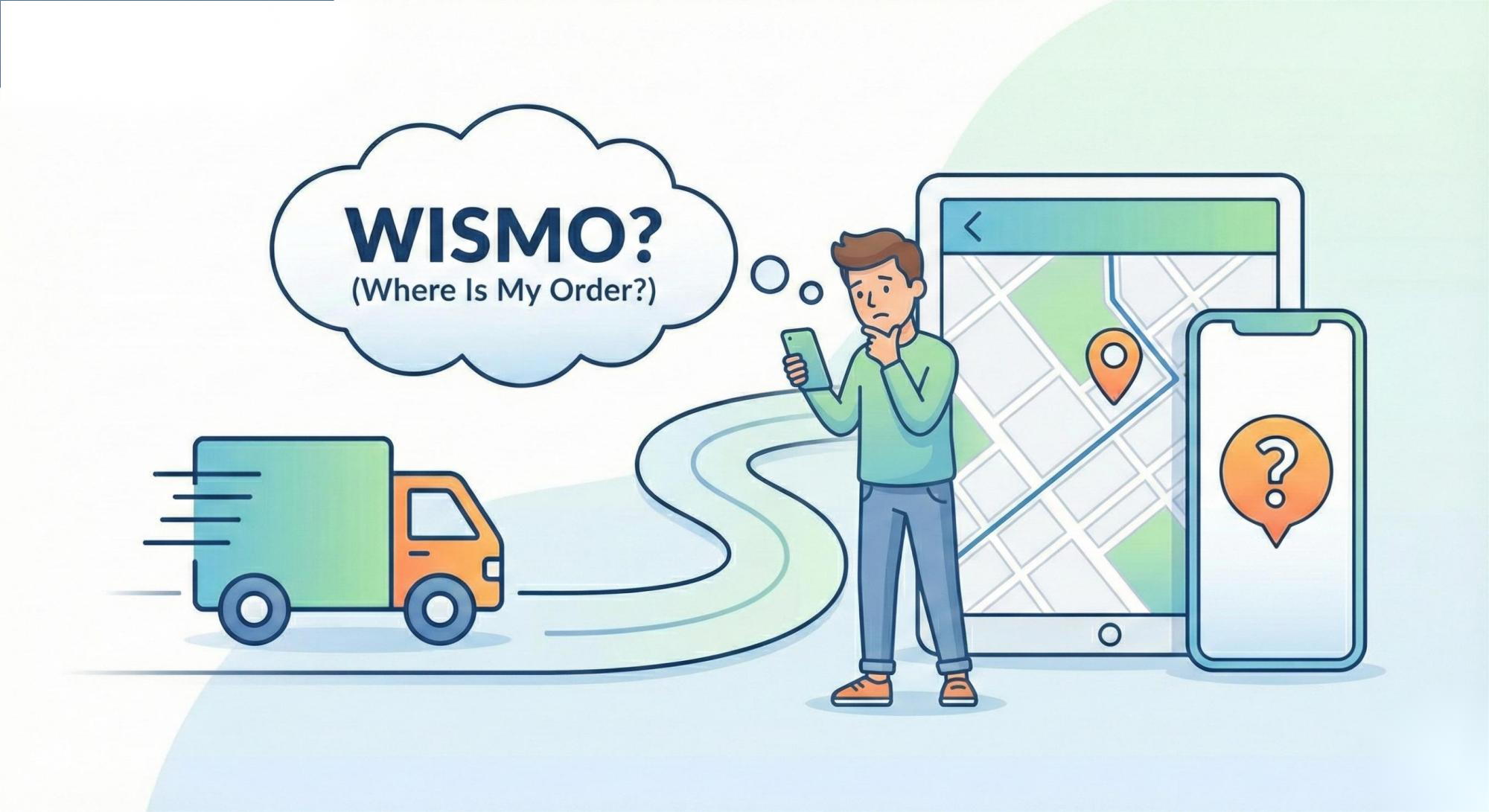
Have you ever received repetitive questions about order status from anxious customers? That’s WISMO (Where Is My Order?) queries for you.
It’s normal to receive them from time to time. What’s not okay is when these inquiries become uncontrollable and take up 70% of your inbox. Every WISMO email costs you money. Your support team spends time on repetitive questions instead of helping with real issues, and frustrated customers might not come back.
But to solve this issue, you’d need to know first what WISMO is and what strategies can help you reduce these support tickets effectively.
What we’ll share here is based on our experience helping over 10,000 businesses worldwide manage their shipping operations better. We’ve also worked with companies like SHEIN, DJI, Aukey, and other great brands.
Let’s guide you through the WISMO concept and show you simple and actionable steps you can apply later.
What Is WISMO?
In ecommerce, WISMO means “Where Is My Order?” It refers to the questions customers send when they want to know their current status and the location of their online orders.
WISMO happens when businesses fail to provide timely updates to buyers. If they don’t hear from you (no emails or SMS) for days after checking out, they’ll start to panic.
But a high WISMO rate doesn’t mean your team is lazy. The real issue here is a lack of proactive communication. And that can be solved by *drum roll please… automation.
One of our clients received too many WISMO tickets during a peak season because their tracking system didn’t provide consistent updates. Their customer support staff suffered the most in answering the same questions.
They learned their lesson and switched to TrackingMore. Our platform provided them with real-time tracking status through automated shipping notifications.
So, instead of calling their business and asking WISMO, all their customers had to do was check the order tracking page, and the answer was there. They didn’t need to answer the same questions over and over… and over again.
Do you know what happened next? Their WISMO tickets went down by 78%. Now, their team can finally breathe even during the holidays and the Black Friday season.
WISMO Queries Examples
Some of the common questions that fall under WISMO are the following:
- When will my package arrive?
- When can I expect my order/ item?
- Why hasn’t my package arrived?
- Is my order delayed?
- What’s my order status?
- Where is my package?
- What happened to my order?
… and pretty much any other version of “Please tell me where my item/order is.”
Why is WISMO a Problem for Your Businesses?
WISMO is a serious problem for your business because it can increase customer service costs, affect the customer experience (and satisfaction), and, worse, damage your reputation.
Let’s look at each of them:
Increased Customer Service Costs
The industry average per contact is around $7.16. Digital Genius’s WISMO rate study mentioned that the WISMO query rate in ecommerce is around 21%.
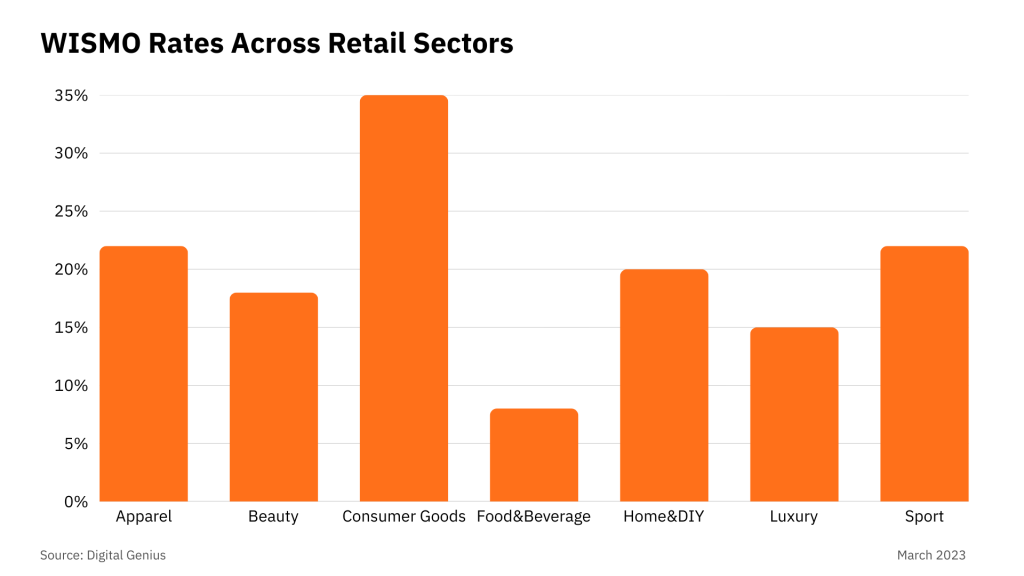
How do these numbers look in real life? Let’s do a little math here.
For example, you own a store for Apparel. You make around $135K/month and get at least 3,500 customers monthly.
If 21% of those customers reach out with WISMO questions, that’s 735 WISMO inquiries. Now, let’s multiply that by $7.16.
735 x $7.16 = $5,262.6 customer service costs per month. That’s over $60,000 in a year.
Of course, it can go lower or higher depending on the season. But can you imagine wasting that amount of money on a problem that you can easily solve?
Negative Impact on Customer Experience and Satisfaction
There’s actually a term coined for what the online shoppers feel after their purchase. It’s called pre-parcel anxiety. And it’s about the nervous anticipation that buyers experience while waiting for their order.
If you don’t do anything to ease that anxiety, they will resort to sending WISMO queries. And when that happens often? Your customer satisfaction will drop… and people will purchase less and leave bad reviews. They won’t be able to enjoy a smooth post-purchase experience because they have to keep following up.
That’s enough reason to think twice before buying from your store again.
Damaged Reputation
Unresolved WISMO calls will hurt your business. You can lose your customers’ trust because of the lack of transparency and communication.
Imagine you had a customer named Michael. He bought a $50 shirt during Black Friday. Your website said it would be delivered in five days. He followed up on the third and fourth day for any updates, but got radio silence. The sixth day came, but he still didn’t get his order.
Could you imagine how Michael felt?
Based on Esteban Kolsky’s CX for Executives study, 13% of unhappy customers are likely to share their experience with 15 or more people.
The percentage may be small, but the impact is enough to sway a whole circle of people. And just like that, you lost customer loyalty, positive reviews, and referrals.
What Makes Customers Ask “Where Is My Order?”
Customers ask “Where is my order?” questions when there are no clear shipping updates, when there are delays, and when they receive inaccurate delivery information.
1. Lack of Clear Order and Shipping Updates
Without proactive shipping updates, your customers will have no choice but to reach out to your team. Because they have zero idea of what’s happening with their order.
Here’s exactly how the lack of order visibility pushes them to submit support tickets:
- They are forced to find answers on their own
- Your silence makes them assume there’s something wrong with their order
- The longer they wait without updates, the more anxious they become
One of our clients processed over 2000 orders during a summer sale. And during that time, they simply depend on their couriers to update their customers.
But that event changed how they view proactive communication. Their courier partners failed to send consistent delivery updates (uh-oh).
By the end of the week, they received calls, chats, and emails from frustrated customers. Most of them were demanding clear delivery timelines.
“It was a nightmare,” their founder told us. “We spent more time answering ‘where’s my order’ questions than actually fulfilling new orders.”
That’s what happens when you don’t have a proper and efficient order tracking system in place.
2. Wrong Delivery Dates
Another reason why WISMO queries happen is because of inaccurate delivery estimates or tracking updates that are flat-out wrong.
We’ve worked with hundreds of ecommerce brands, and this is common, especially during peak seasons.
Let’s say a customer named Amy received a notification that her order would arrive on Tuesday. She planned her day around that delivery window, worked from home, and even asked her neighbor to watch for the package in case she stepped out.
But Tuesday came and went with no package. The tracking still showed “out for delivery” with no updated information. By Wednesday evening, Amy was frustrated because she had rearranged her schedule based on incorrect information.
This is exactly where WISMO questions begin to flood your support inbox. They are no longer tracking requests but more of complaint tickets that require detailed explanations and often lead to refunds.
3. Delays in the Order Process
WISMO tickets can also increase because of delivery delays. These delays can be caused by external factors like bad weather, courier issues, peak season, and customs or documentation issues (also called delivery exceptions).
But… it can also be because of internal problems. Your business might be facing some inventory shortages, labor issues, or some warehouse processing delays that affect your delivery timelines.
Whatever the reason is, whether it’s within your control or not, your customers will contact you when their packages don’t arrive. InsureShield’s Last-Mile report showed that 61% of customers blame the brand when delivery problems happen. Not the shipping company or any other parties involved.
If you don’t work on communicating these delays right away, it will hurt your business through increased support costs, damaged customer relationships, and lost future sales.
We don’t want that to happen, right? So, let us share with you some tips on how to enhance customer satisfaction and reduce support tickets.
4 Proven Strategies to Reduce WISMO Inquiries
You can reduce WISMO inquiries by managing customer expectations, sending automated order updates, offering live order tracking, and enhancing proactive communication.
Let me give you action steps you can follow for each strategy:
1. Manage Customer Expectation
Clear delivery timelines stop most WISMO tickets because they provide one thing your customers want: assurance.
For example, one customer ordered a laptop stand from an online store for their home office setup. The website said “ships in 2-3 business days,” and they thought they’d get their order by Thursday. But it actually took a few more days for the store to prepare the order before shipping.
The info was vague, and they didn’t realize that it’d take 7-8 days before they actually received the stand. And you know what? They contacted the support team twice because of this. The customer felt a bit upset because they thought the store had lost their order or forgotten about it completely.
How to Manage Customer Expectations
Here’s how you can manage expectations to increase customer satisfaction:
- Show the exact delivery dates: Use “Arrives by March 15” instead of “ships in 3-5 days.” You can prevent misunderstandings with this format.
- Display accurate delivery estimates on multiple pages: Include them on product pages, cart, checkout, and confirmation emails. So, your customers won’t miss the information.
- Add a small buffer for potential delays: An extra day (or days) can save you from disappointed customers when unexpected shipping delays happen.
2. Send Automated Order Updates
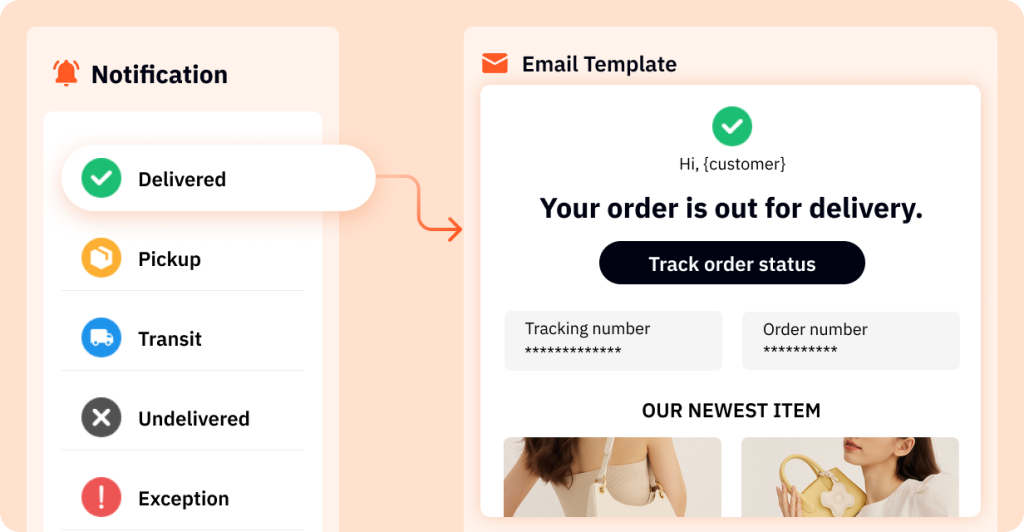
Automated notifications keep your customers updated about the status of their order. And the best part? You don’t have to manually send the emails or texts (yes!).
It’s a win-win for both. Your customers will feel secure because they know exactly where their item is. And your customer service representatives won’t have to worry about answering WISMO questions.
Here’s how it works: Once your customer places an order, it’ll be in your system. They’ll start receiving real-time updates (through SMS or emails) at different stages, like order confirmation, shipping, out for delivery, and delivered.
3. Offer Live Order Tracking Page
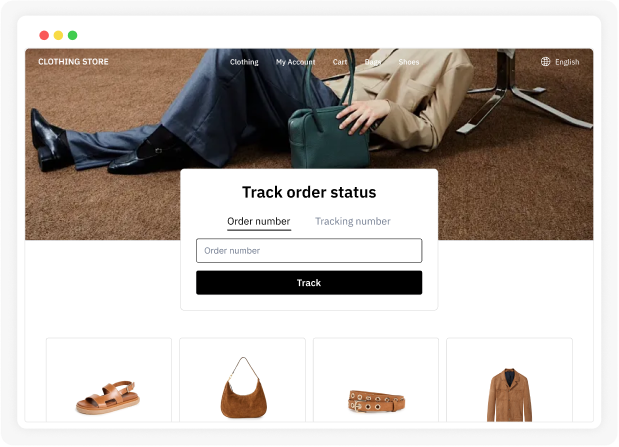
An order tracking page is a self-service tool that lets customers check their package status. By entering the order or tracking number, they can see the latest updates instantly.
The difference between the Order number and the Tracking number:
| Type | Definition | Example |
| Order Number | A unique identifier assigned by a seller or retailer to a customer’s purchase for tracking and reference. | #12345 |
| Tracking Number | A unique code provided by a carrier to monitor the status and location of a shipment during delivery. | 9400 1000 0000 0000 0000 00 (USPS) |
Besides reducing your WISMO queries, order tracking pages are perfect opportunities for upselling and cross-selling. You can display related products, offer discounts for their next order, or showcase new arrivals right on the tracking page. So, while waiting, your customers can order more from your store.
4. Enhance Proactive Customer Communication
Proactive customer communication means reaching out to customers with helpful information before they ask for it. You can do this by setting up self-service options like FAQ pages, chatbots, and help centers.
The idea here is simple: You just have to give your customers useful information before they even realize they need it.
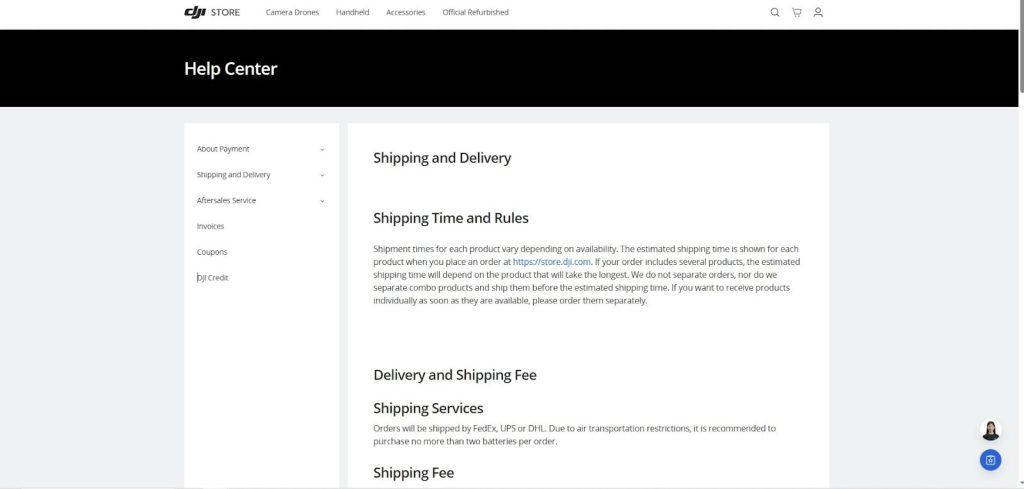
DJI is a good brand example that applies this. It offers a live chat so you can ask anything you want. And it also has its own help center where you can find its shipping and delivery process.
Another thing you can consider is multi-channel communication. It works because different customers prefer different ways to get information.
One of our clients, a home goods retailer, sends shipping updates via email, posts order status alerts on their customers’ account dashboard, and sends SMS notifications for delivery confirmations. And you know what? They surprisingly found that even when deliveries get delayed, customers don’t complain as much because they’re kept informed throughout the process. When people know what’s happening, they’re much more patient with delays.
Proactive communication can really be a great way to build customer loyalty. When you anticipate what customers need and provide it without them asking, they trust you more.
PRO-TIP: Choose two to three self-service and automatic communication methods that work best for your customer base. Don’t try to implement everything at once. But start with email updates and a simple FAQ page, then add SMS notifications or chatbots later on.
Reduce WISMO Tickets With TrackingMore
That’s a wrap! Now you understand how WISMO impacts your business and the four proven strategies to reduce support tickets.
TrackingMore helps you cut WISMO requests with automated shipping notifications and branded tracking pages.
You can customize email templates for every status, ensuring customers get clear, timely updates.
Our drag-and-drop editor also allows you to build your branded tracking page without developers. You can even add marketing elements, like product recommendations, discount codes, or social links, to turn each tracking update into a sales opportunity.
Ready to save on support costs and build brand loyalty? Try TrackingMore for free today >
FAQs on WISMO
WISMO means “Where Is My Order.” It refers to customer inquiries about the status, location, or estimated delivery time of an order.
A WISMO call is a customer service call where the customer asks, “Where is my order?” These calls happen when buyers seek updates on shipping status or delivery time.
You can reduce your WISMO inquiries by sending automated shipping notifications and creating a branded tracking page where your customers can check their order status. Plus, you can set clear delivery expectations at checkout and proactively communicate any delays.
When you reduce WISMO, your business can save money on customer service costs, improve customer satisfaction, and free up your support team’s time for more important tasks. You’ll also build stronger brand trust and turn one-time buyers into repeat customers.
The TrackingMore team shares insights on logistics tracking technology, industry trends, and e-commerce logistics solutions to help businesses streamline shipment tracking and enhance customer post-purchase experience.