Consider the experience of a frequent online shopper who values efficiency. After placing an order for a gift, they take comfort in tracking their shipment through a unified portal.
This experience illustrates the modern need for customer portals, especially in a world where 78% of customers feel “more rushed than ever“, according to a recent study by Salesforce on a similar topic.
When immediate customer support is not available or for simpler issues, self-service customer portals become an invaluable tool. They offer users essential autonomy, allowing customers to easily access their accounts, manage personal information, and request support whenever and wherever they need it.
In this article, we will explore the importance of customer portals, delve into their benefits, and outline best practices for effective implementation.
What Is A Customer Portal?
Think of customer portals like self-service kiosks: They let customers take care of their needs on their own, making life a bit easier.
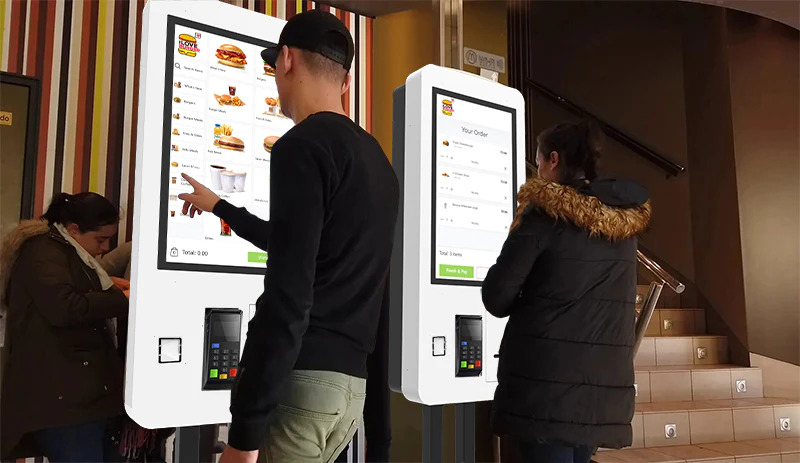
Basically, a customer portal is a website or app that gives you self-service access to your accounts and services. Here, you can manage your account, check your statements, make payments, and much more.
Some portals go the extra mile by offering resource libraries filled with FAQs and helpful articles to make your post-purchase journey smoother.
Depending on how you set things up, customer portals can range from simple to more complex. Basic ones offer the key features for managing your account and payments, while fancier versions may include near real-time tracking, live chat options, and extensive resource libraries that really address customer needs asynchronously.
3 Reasons Why Customer Portals Are Returning to the Spotlight
Customer portals are definitely changing the game in the eCommerce scene. With the nonstop, fast-paced nature of online shopping, having a customer portal really helps take some weight off customer service teams. Here’s 3 reasons you need to know:
Increasing Need for Self-Service
In today’s world, customers want support 24/7. That’s where customer portals come in handy. These self-service platforms let customers handle basic tasks on their own, like checking their order status or updating their information.
When customers can quickly find answers or complete simple actions, it frees up the customer service team to focus on the really tricky issues that need their expertise. No one enjoys waiting around in long queues or for the next workday to get help!
Moreover, with a customer portal in place, service representatives have instant access to a full view of customer history. So, when a ticket pops up, they have all the context they need to resolve the issue smoothly.
AI Has “Entered The Chat”
With recent technological advancements, including headless setups and agentic applications, customer portals are more powerful and flexible than ever. These innovations boost functionality and help create an even better user experience.
Evolving Customer Preferences
Think about the last time you walked into a convenience store. You probably wanted a quick and hassle-free shopping experience, right? It is no surprise that you gravitate toward self-service kiosks – they let you grab what you need without any fuss.
This same feeling carries over to the digital world. Nowadays, customers want instant access to information and solutions.
With customer portals, users enjoy a smooth and streamlined experience that fits their need for efficiency and convenience. Instead of dealing with a maze of customer service calls or waiting for email replies, customers can easily search for answers, complete transactions, manage their accounts, whenever and however they want.
Customer Portal Best Practices
Setting up a customer portal can look different for every business owner, but there are some key principles to keep in mind to make yours really shine.
User Experience
First up, a great portal has to be user-friendly. Both the personnel managing the portal and your customers should find it super easy to navigate.
Aim for a (1) clean, intuitive interface that’s easy on the eyes and (2) a variety of features that cover different needs, like checking order statuses, filing tickets, or updating personal and payment details.
If you have the resources, consider adding some personalization, like a branded tracking page, dashboards, helpful knowledge articles, or relevant notifications. This can make the portal more engaging and useful. Consistent branding helps boost brand awareness.
Seamless Escalation
Customer portals complement great customer service, so your support team should be ready to tackle any tickets or issues that come up. Consider adding multiple contact options, like live chat, a support ticket system, email, and even a phone line. An AI chatbot can be a handy addition to escalate issues when needed, ensuring customers feel their inquiries are valued.
Security
It is easy to overlook just how much sensitive data is involved, but strong security measures are crucial. Make sure you are compliant with data protection policies like GDPR and SOC 2, this helps build trust and ensures your customer portal is secure.
Level of Integration
Your customer portal should seamlessly connect with other systems in your business, such as CRM platforms, billing software, and support tools. Keeping data consistent across the board is essential.
Resource Support
Consider knowledge bases, community forums, or FAQ sections that can help address common topics or issues by your customer.
Enhancing Customer Portals with Tracking APIs
How about integrating tracking features into your customer portal?
In the past, many brands would slap together a “bolted-on” solution, using widgets or plugins for shipment tracking. Unfortunately, this approach often feels disjointed and lacks flexibility.
Businesses are now searching for more scalable and flexible solutions. That’s where headless tracking comes in, a modern approach that gives you complete visibility and control over your shipment tracking data.
The Backend: APIs at Work
At the heart of headless tracking is API integration. Think of APIs as the bridges connecting different systems.
With TrackingMore’s API, you can access real-time tracking updates directly from shipping carriers. This means that you can pull in important information like location, status, and timestamps straight into your system. The best part? You maintain ownership of your data, keeping everything organized and easily accessible.
The Frontend: Modular Approach
The real magic of a headless setup lies in the control it offers over your customer experience. Instead of sending your customers to a third-party site for tracking info, you can present all the relevant details via a headless CMS setup, whereas content management can be separated from presentation.
For self-service portals, this means customers can log in to see their order history and current tracking status all in one spot. Plus, the flexible nature of headless data allows you to style this information to match your website, keeping your brand identity front and center.
The Power of Tracking-Enabled Customer Portals
A recent report from Marq shows that maintaining brand consistency throughout the customer journey can boost revenue by up to 23%.
While you could try to build an in-house solution that integrates directly with carriers, that often involves a ton of maintenance and complexity.
Using a specialized tracking API like TrackingMore is cost-effective and efficient. It simplifies the messy backend data, allowing you to focus on creating a user-friendly frontend. This means a consistent, branded experience for your customers, with better visibility into tracking statuses in near real-time.
Tracking-enabled customer portals are also known to encourage ongoing engagement with the brand. Customers are likely to return to the portal not just to check their order statuses, but to explore additional services, promotions, or loyalty programs. This continued interaction deepens their connection to the brand and increases customer retention.
TrackingMore: Your Trusted Headless API
When it comes to enhancing customer portals, tools like TrackingMore play a crucial role. These APIs offer seamless integration for shipment tracking, letting businesses provide customers with real-time updates right within their portals.
The best part? The modular and flexible setup of a headless architecture lets you go beyond traditional widgets and plugins. You can enjoy a more immersive and customizable design while minimizing issues like slowdowns and delays. For users, a headless-powered tracking API in your customer portal can be the missing piece all along to improve post-purchase. Our headless API is highlighted by the following features:
- Integrates with Shopify Admin API and over 1,500 carriers
- Standardize shipment data from multiple carriers
- Omnichannel consistent: Scale across multiple brands & storefronts
The benefits of a headless API like TrackingMore go far beyond customer portals. It enables integration across multiple channels, including mobile apps, in-store POS systems, online marketplaces, and social media shops. Each interface can be customized for a distinctive customer experience, maintaining omnichannel consistency and a seamless brand presence.
Final Words
Customer portals are becoming crucial in the fast-paced eCommerce environment, meeting the growing demand for self-service options. This renewed interest is largely fueled by some of the recent technological advancements.
With the integration of headless commerce and AI, businesses are unlocking new methods to enhance how customers interact with their services.
At TrackingMore, our headless API offers seamless shipment tracking and real-time updates, ensuring that support and tracking are no longer secondary to your core product but are instead part of a unified experience.
As customers increasingly crave instant access and convenience, the importance of customer portals will only grow. Those who don’t adapt to these shifts will risk falling behind. Embracing innovative solutions and best practices is key to establishing deep connections with customers and staying ahead in the game.
The TrackingMore team shares insights on logistics tracking technology, industry trends, and e-commerce logistics solutions to help businesses streamline shipment tracking and enhance customer post-purchase experience.