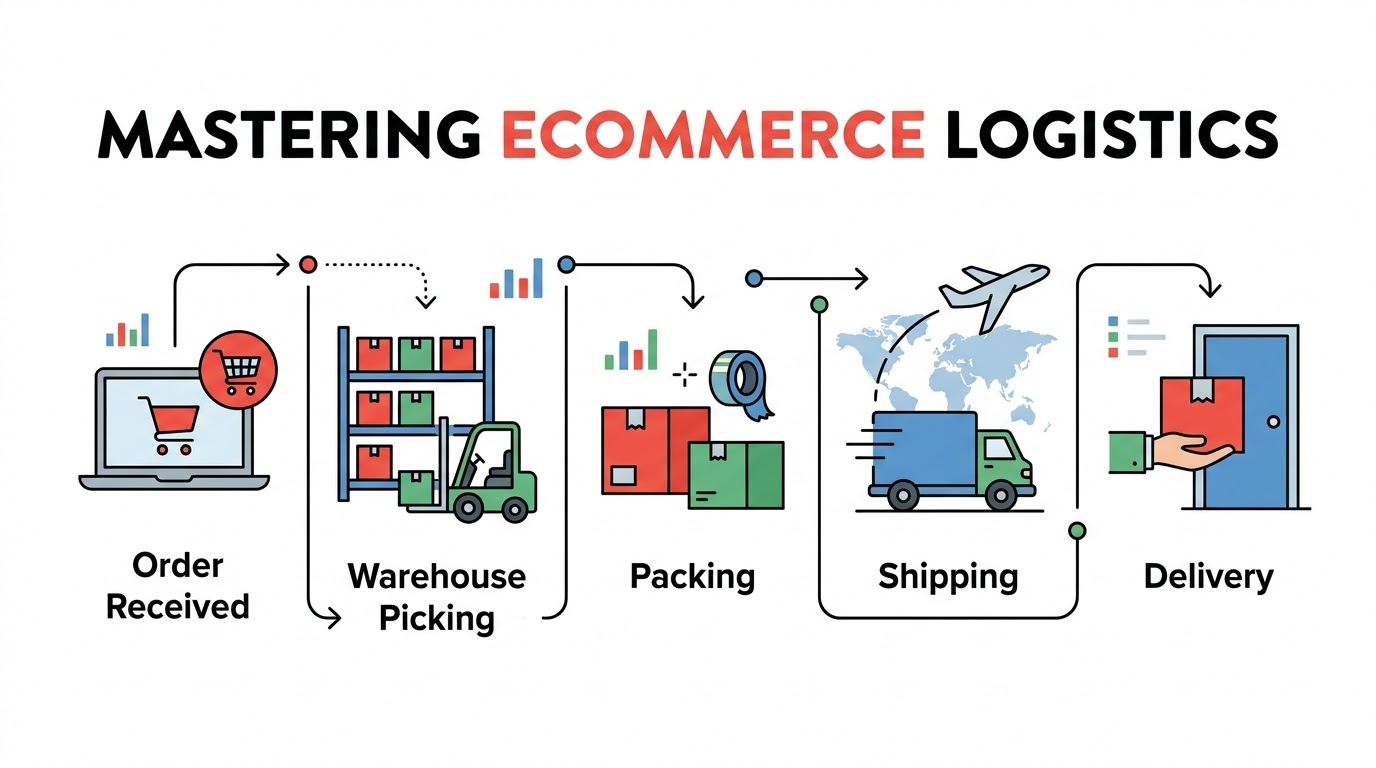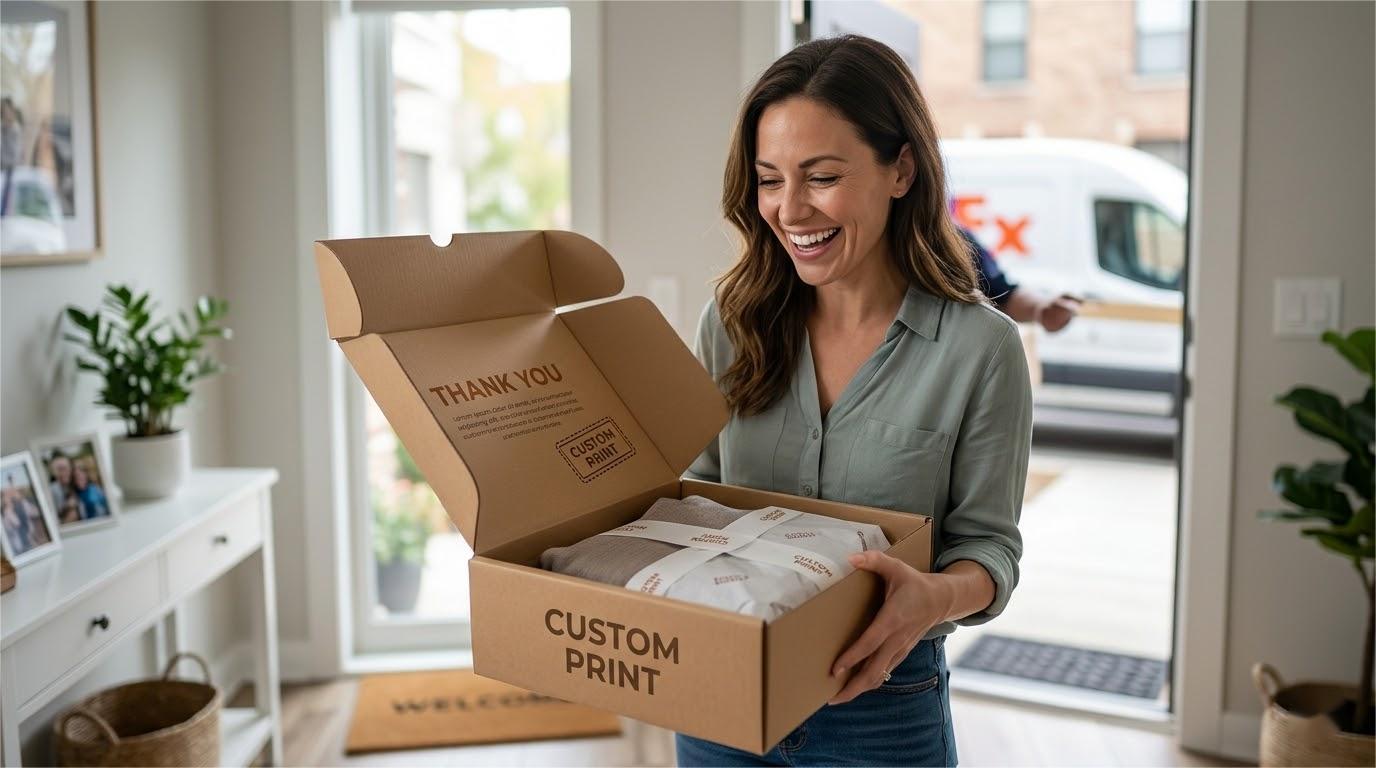
Can you imagine that a strong shipping experience could convince 90% of customers to buy from the same store again? This report from Retail Touchpoints shows that what happens post-purchase impacts businesses’ overall revenue.
Shipping experience refers to the whole journey an order goes through from checkout until the package reaches the customer’s hands, plus possible returns. As customer expectations continue to evolve, delivery speed, visibility, and communication have become key parts of the buying experience.
So, if you want to improve how your orders reach customers, this article is for you.
We’ll talk about the value of shipping experience and what a good one looks like. You’ll also learn seven effective strategies to apply for a better shipping process.
Why Shipping Experience is Important for Ecommerce Businesses
The shipping experience is the most visible part of the ecommerce process for customers. It’s the moment the purchase finally feels real. And that experience stays with customers long enough to decide if they’ll ever order again.
Boosting Retention through Positive Delivery Moments
Delivery has a strong pull on customer loyalty. Imagine that one customer receives their order two weeks after the “promised delivery date”.
The product might be correct (and in great condition). But the delay might disappoint and discourage them from ordering in the future.
If your delivery process is solid and dependable, you don’t have to worry about this issue.
Driving Conversions by Optimizing Costs at Checkout
Customers pay close attention to shipping costs and delivery timelines at checkout. EMarketer’s 2024 benchmark report proved that 48% of online buyers don’t complete their orders, all because of high shipping costs.
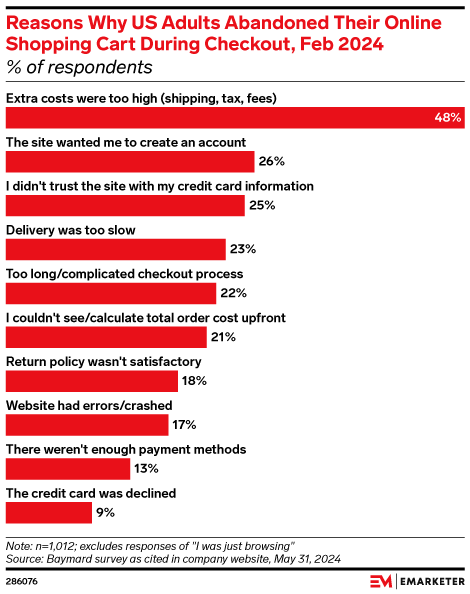
Merchants can lower cart abandonment with a few shipping options. For example, offering standard delivery or free shipping (for customers who hit a certain order amount).
Another thing that helps is clear delivery estimates. They can help buyers decide if the timeline works for them. And keeps them from getting “surprised” by a later-than-expected delivery date at checkout.
What a Good Ecommerce Shipping Experience Looks Like
A good ecommerce shipping experience is reliable, transparent, and credible. Customers should know what to expect from the moment they place an order (like when it’ll arrive and how the delivery is going).
There are three important things to get right here: clear order updates, accurate delivery estimates, and proactive communication. Online shoppers want to be notified when their package is shipped, in transit, and delivered. And if a delay happens, they’d want to hear it directly from the brand’s customer support, not find it out on their own.
That’s really what a strong shipping experience does. It gives customers confidence that their order is on track. When the trust is there, repeat purchases will follow.
7 Strategies to Improve Customer Shipping Experience
To provide a premium, in-brand shipping experience for your customers, you need to make adjustments to the overall process. That means improvements in tracking, communication, delivery options, and returns.
Here are some strategies you can follow:
1. Offering Transparent Shipping Tracking Updates
Sending shipping tracking updates is a must in the post-purchase stage. They serve as the customer’s “eyes” on their package’s location and progress.
Merchants can set up automated notifications to guarantee alerts at every key moment (for example: shipped, in transit, out for delivery, or exceptions).
Customers also prefer receiving updates on platforms they already use. So, ecommerce support teams should send updates through email or SMS (and messaging apps like WhatsApp), with direct tracking links.
Pair this with a branded tracking page where customers can view the full shipping progress of their packages. It also saves your team time from answering the same order status questions.
2. Communicating Proactively with Customers
Shipping updates aren’t limited to showing the order status. Merchants can also use them to offer far more useful information and improve the customer experience. We’re talking product guides, care instructions, and personalized recommendations.
Imagine your main product is a leather handbag. New customers may not know how to store it properly or what products to use for cleaning. Emailing them a short care guide will free them from possible mistakes that can shorten the product’s lifespan.
Helpful post-purchase guidance like this shows customers that the brand still cares about their experience after the sale. It can reduce their post-purchase dissonance and leave a good impression that encourages brand loyalty.
3. Providing Multiple Delivery Options
Customers have different delivery expectations. Some want the most affordable option, while others may opt for the fastest delivery available.
Since it’s different for every shopper, merchants can provide several shipping options at checkout:
- Standard Shipping: usually takes 3–7 business days and works well for non-urgent orders where customers prefer a lower delivery cost.
- Expedited Shipping: typically arrives within 2–3 business days and is suitable for customers who need their items sooner.
- Same-day Delivery: delivered within the same day, and ideal for time-sensitive purchases when customers are willing to pay more for speed.
4. Setting Accurate Delivery Expectations
Customers often plan around delivery dates. It’s no wonder that they get frustrated when a package arrives later than expected.
To prevent this, delivery estimates should be accurate. Instead of showing overly optimistic arrival dates, merchants should give estimates that reflect actual shipping conditions, such as order volume, route changes, and carrier capacity.
This is where AI-powered EDD becomes especially useful. It helps merchants provide more accurate delivery estimates by taking real-time shipping conditions into account, rather than relying on fixed assumptions.
5. Creating a Personalized Shipping Experience
According to Raconteur’s parcel-tracking report, shoppers check for delivery updates up to 4 times per purchase. Each visit creates another opportunity for ecommerce brands to provide a tailored shipping experience for customers.
The order tracking page helps make the shipping experience feel more relevant to each customer. Instead of showing the same content to everyone, merchants can tailor product recommendations, offers, and messages based on the customer’s purchase or behavior.
For example, they might feature items that complement the original order or display promotions that are more likely to match the customer’s interests.
Doing this can encourage customers to stay and engage with the brand longer. Plus, it can also increase the chances of repeat purchases.
6. Offering Frictionless Returns
The shipping experience doesn’t end when the product is delivered. It also covers the return process. How merchants handle this stage will also affect customers’ future buying decisions.
So how can merchants create a frictionless return? A clear return policy is a great starting point. The policy should explain how to initiate a return, how long the process takes, and whether any fees apply. It also sets expectations even before customers place an order or submit a return request.
Merchants can also offer a simple returns portal that allows customers to initiate the returns request by themselves. This can reduce both their waiting time and the workload of your support team.
After the return is initiated, consistent status updates help customers stay informed about each step of the process (from receiving the item to processing the refund).
7. Switching to Sustainable Shipping and Recyclable Packaging
MarketingLTB’s stat on green marketing shows that 54% of customers now look into a brand’s sustainability claims before deciding to buy. Buyers are clearly more eco-conscious now and actively choose brands that back it up with action.
One way to get started is by using less but better packaging. Merchants can choose the appropriate box size and get rid of fillers (like plastic air pillows or foam inserts). They can also opt for recyclable packaging materials to reduce waste.
On top of that, merchants can partner with carriers that offer “carbon-neutral” options. That way, they can balance out their carbon footprint during delivery.
Master Your Shipping Experience with TrackingMore
TrackingMore is a shipping experience management solution for ecommerce businesses. It provides a shipment tracking API that lets merchants track orders from multiple carriers in one place.
The platform supports 1,500+ carriers worldwide and converts different carrier updates into clear and consistent tracking statuses.
Beyond order tracking, TrackingMore also provides post-purchase tools that help merchants manage delivery communication more efficiently.
Branded tracking pages allow customers to check shipment progress directly on the merchant’s website. Automated shipping notifications can also send updates at key stages of the shipment, so customers stay informed throughout the delivery process.
Together, these tools improve the shipping experience for brands and their customers.
FAQs about Shipping Experience
Shipping experience covers everything that happens after a customer places an order until the package arrives. Delivery timelines, tracking updates, shipping costs, packaging, and returns are all included in this process. In ecommerce, this stage says a lot about how customers will remember the entire purchase.
You can improve the shipping experience by keeping customers in the loop and setting clear expectations throughout the post-purchase journey. Transparent and well-managed shipping delivery can boost customer satisfaction and trust (which can help increase your repeat purchase rate).
Yes, you can. SaaS platforms like TrackingMore let you track shipments from multiple carriers in one place and keep your customers updated on their deliveries. Partnering with a 3PL is another solution if you want to outsource fulfillment altogether.
Easton has 3 years of experience researching and writing about e-commerce and logistics. She enjoys sharing the latest industry trends and insights with readers.